Shoes are rarely just a practical purchase. For many consumers, they are an expression of personality, status and style. When a customer walks into a footwear retailer, they aren’t just looking for something to cover their feet; they are looking for an experience. This is why Shoe Shop Design plays such a pivotal role in the success of a retail brand.
The environment in which a product is displayed can significantly influence its perceived value. A sneaker displayed on a cluttered, dimly lit shelf looks like a commodity. That same sneaker, placed on a floating shelf with dedicated backlighting in a spacious showroom, looks like a must-have luxury. As retail trends shift away from purely transactional spaces toward experiential ones, modern shoes shop design has become a critical tool for business owners looking to capture attention and drive sales.
The Architecture of Attraction
Creating a compelling retail environment requires more than just good taste; it requires a strategic understanding of consumer behavior. The layout, lighting and flow of a store dictate how long a customer stays, how much they interact with the merchandise and ultimately, whether they make a purchase.
Mastering Layout and Space Utilization
The foundation of effective shoe store interior design is the layout. In the footwear industry, space utilization presents unique challenges. Unlike clothing stores where items hang on racks, shoes require floor space for customers to sit, try on products and walk around to test comfort.
A well-designed layout guides the customer journey from the moment they step through the door. This often begins with a “decompression zone” at the entrance, an open space that allows customers to transition from the bustling street to the curated environment of the shop. From there, the path should be intuitive. Narrow aisles in a shoe shop can be fatal to sales; if a customer feels they are blocking traffic while trying on a pair of boots, they are less likely to relax and enjoy the process.
Modern design favors open floor plans with distinct zones. There should be a seamless flow between the browsing areas and the seating areas. The seating itself is a design element. Gone are the days of utilitarian benches shoved in a corner. Contemporary designs integrate comfortable, stylish seating directly into the display areas, allowing the customer to try on shoes without leaving the immersive environment of the product display.
Lighting: The Silent Salesperson
If layout is the skeleton of the store, lighting is the heartbeat. In Shoe Showroom Design, lighting does the heavy lifting. Footwear is often defined by texture, the grain of leather, the weave of canvas, the gleam of patent. Poor lighting flattens these details, while excellent lighting brings them to life.
Designers typically use a layered approach:
-
Ambient Lighting: This provides the overall illumination for the store, ensuring the space feels welcoming rather than cavernous.
-
Accent Lighting: This is where the magic happens. Spotlights and track lighting focus intense beams on specific “hero” products, creating focal points that draw the eye.
-
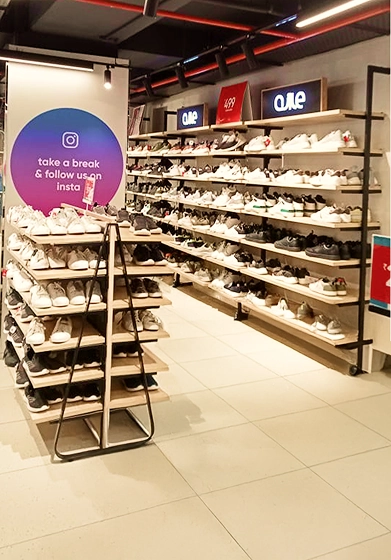
Shelf Lighting: Integrated LED strips within shelving units eliminate shadows and ensure that products on lower shelves receive as much attention as those at eye level.
Color temperature is also vital. A cool, clinical light might work for a high-tech athletic store, but a boutique selling high-end leather boots will benefit from warmer tones that enrich the natural colors of the material.
Strategic Display and Arrangement
The way shoes are arranged communicates a narrative. A common mistake in older retail models was the “stack ’em high” approach, where volume was prioritized over visibility. Modern shoe shop design embraces minimalism and curation.
Grouping products by lifestyle or story rather than just size or category can increase average transaction values. For example, placing hiking boots near rugged accessories, or dress shoes near leather care kits, encourages add-on purchases.
Vertical space is often underutilized. By drawing the eye upward with creative wall displays, retailers can make a small footprint feel expansive. However, accessibility is key. While high displays create visual interest, the core merchandise must be within easy reach to encourage tactile interaction.
Physical Space
While we are discussing physical spaces, the digital footprint of a design firm or a retail store is undeniable. When business owners search for renovation ideas, they are looking for specific expertise. Terms like shoe shop design and shoe store interior design represent a specific niche of architecture that blends aesthetic beauty with retail psychology.
A beautiful shoe showroom design isn’t just for the customers walking in; it serves as a content studio for social media. An “Instagrammable” feature wall or a unique mirror setup encourages customers to take photos and tag the location, effectively bridging the gap between physical retail and digital marketing.
The Monarch Enterprises: redefining Retail Spaces
When it comes to executing these high standards, The Monarch Enterprises has established itself as a leader in the field. Understanding that a shoe store is a complex ecosystem of logistics and aesthetics, Monarch approaches every project with a focus on innovation and functionality.
Their portfolio demonstrates a deep understanding of modern shoe shop design. They don’t simply install shelves; they create environments. Monarch Enterprises is known for its bespoke approach, recognizing that a sneaker boutique requires a completely different energy than a family footwear retailer.
Their commitment to quality is evident in their material selection and craftsmanship. Whether it is a sleek, industrial look utilizing raw metal and concrete, or a warm, inviting space featuring natural wood and soft textiles, Monarch ensures the physical build matches the brand identity.
Key aspects of The Monarch Enterprises’ approach include:
-
Customization: Tailoring the shoe store interior design to specific brand narratives.
-
Durability: Using high-quality materials that can withstand high foot traffic while maintaining a premium look.
-
Customer-Centric Flow: designing layouts that prioritize the comfort and ease of the shopper.
By partnering with experts who understand the nuances of shoe showroom design, retailers can ensure their physical space is a true asset to their business.
Step Into the Future of Retail
The retail landscape is competitive, but physical stores offer something online shopping never can: the ability to touch, feel and try. To leverage this advantage, the physical environment must be exceptional.
Investing in professional shoe shop design is an investment in the brand’s future. It signals to the customer that the products are worth their time and money. By focusing on smart layouts, dynamic lighting and partnering with experienced firms like The Monarch Enterprises, retailers can create spaces that do more than store shoes they celebrate them.