
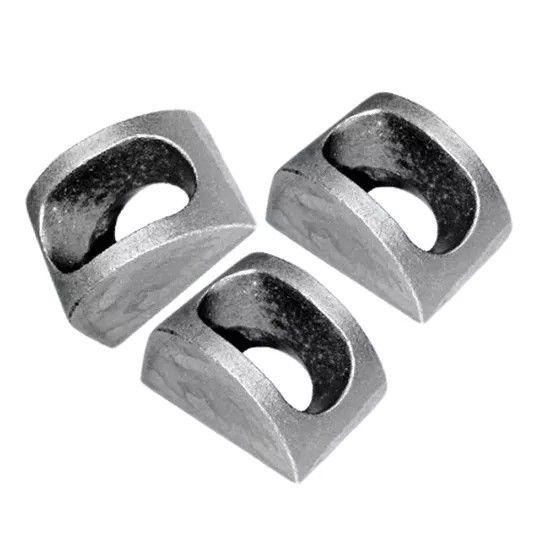
Modern construction projects demand precision, strength, and long-term reliability. From bridges and industrial plants to commercial buildings and infrastructure, every component must work together to safely distribute loads and resist external forces. One often underestimated yet highly critical component is the washer.Advanced fastening systems now rely on Hillside Washers to improve load distribution, enhance structural stability, and reduce long-term maintenance risks.
With support from engineering solution providers such as ES HAJI & CO, As structures become larger and more complex, traditional flat washers are not always sufficient. Hillside washers are specifically designed to handle uneven surfaces and angled connections, making them essential in modern construction and heavy engineering applications.
Understanding Hillside Washers
Hillside washers are specialized washers with an angled or tapered surface. Unlike standard flat washers, they are designed to compensate for non-parallel or sloped surfaces often found in steel structures, foundations, and structural connections.
These washers allow bolts and nuts to sit squarely, even when the connected surfaces are angled. This ensures proper load transfer and prevents uneven stress distribution that can lead to bolt failure or structural damage.
Why Load Distribution Matters in Construction
Load distribution is one of the most important factors in structural engineering. When loads are not evenly distributed, stress concentrations can develop at specific points, leading to:
- Bolt bending or loosening
- Fatigue failure
- Cracks in concrete or steel members
- Reduced structural lifespan
Proper load distribution ensures that forces are spread evenly across the connection, improving overall structural performance and safety.
Role of Hillside Washers in Load Distribution
Hillside washers play a crucial role in correcting alignment issues and improving load distribution. By compensating for angled or sloped surfaces, they ensure that the bolt head and nut sit flush against the washer.
This results in:
- Uniform contact pressure
- Reduced localized stress
- Improved clamping force
- Greater resistance to loosening
These benefits are particularly important in structural steel connections where precision and stability are essential.
Integration with Foundation Bolts
In construction projects, Foundation Bolts are commonly used to anchor structural elements to concrete foundations. However, foundation surfaces are not always perfectly level, especially in large pours or sloped installations.
When used with foundation bolts, hillside washers:
- Compensate for sloped or uneven concrete surfaces
- Ensure proper bolt seating
- Improve load transfer from structure to foundation
- Reduce stress on both the bolt and concrete
This integration enhances the stability and durability of anchored structures.
Preventing Bolt and Joint Failure
Improper load distribution can cause bolts to bend or experience uneven stress. Over time, this leads to fatigue and eventual failure.
Hillside washers help prevent this by:
- Ensuring correct bolt alignment
- Reducing bending stresses
- Maintaining consistent clamping force
This significantly improves the reliability of bolted joints, especially in structures exposed to dynamic loads and vibrations.
Importance in Heavy Engineering and Infrastructure
Large infrastructure projects such as bridges, power plants, and industrial facilities involve complex load paths and heavy forces. Connections in these projects must perform reliably under extreme conditions.
Hillside washers are widely used in:
- Bridge structures
- Industrial machinery supports
- Power transmission towers
- Heavy equipment foundations
Their ability to handle uneven surfaces makes them ideal for such demanding environments.
Enhancing Structural Alignment
Accurate alignment is essential for the performance and longevity of structural systems. Misaligned bolts can cause uneven load paths and structural inefficiencies.
Hillside washers help correct minor alignment issues without requiring costly rework or adjustments. This makes installation faster and more efficient while maintaining engineering accuracy.
Material Strength and Durability
Hillside washers are typically manufactured from high-strength steel and may feature protective coatings to resist corrosion. This ensures long-term performance in harsh environments such as:
- Outdoor installations
- Coastal or humid regions
- Industrial settings with chemical exposure
Durable materials help maintain load distribution over the entire service life of the structure.
Benefits in Seismic and Dynamic Load Conditions
Structures in seismic zones or areas with high vibration require components that can handle dynamic loads. Uneven stress distribution can be particularly dangerous under such conditions.
Hillside washers improve joint performance by:
- Maintaining consistent clamping force
- Reducing movement at connections
- Enhancing energy dissipation
This makes them valuable components in earthquake-resistant and vibration-sensitive structures.
Installation Accuracy and Best Practices
For hillside washers to perform effectively, proper installation is essential. Key considerations include:
- Matching washer angle to surface slope
- Ensuring correct orientation
- Applying specified torque values
- Inspecting washers for defects
Following best practices ensures optimal load distribution and joint performance.
Reducing Maintenance and Lifecycle Costs
Poorly distributed loads can lead to frequent maintenance issues such as loosening bolts, cracked components, and structural misalignment.
Using hillside washers reduces:
- Maintenance frequency
- Repair costs
- Downtime for inspections
- Risk of premature component failure
This makes them a cost-effective solution for long-term structural performance.
Supporting Modern Construction Standards
Modern construction standards emphasize safety, durability, and efficiency. Hillside washers help meet these standards by ensuring reliable load transfer and structural stability.
Their use supports:
- Compliance with engineering codes
- Improved quality assurance
- Enhanced safety margins
As construction methods evolve, the importance of specialized fastening components continues to grow.
Future Trends in Hillside Washer Design
Advancements in manufacturing and materials are leading to improved hillside washer designs. Emerging trends include:
- Custom angles for specific applications
- Enhanced corrosion-resistant coatings
- Precision-machined surfaces
- Compatibility with high-strength bolts
These innovations further improve load distribution and structural reliability.
In construction, small components often play a critical role in overall performance. Hillside washers are a prime example of how specialized fastening solutions can significantly improve load distribution, alignment, and structural stability.
